
"Ethiopia coffee quality"
10000 article(s) found

A brief introduction to the cultivation of aromatic Ethiopian boutique coffee beans, geographical location, climate and altitude
Although the Ethiopian Yirgacheffe coffee is petite, it is gentle and delicate and sweet. As the hometown of coffee, thousands of years of planting history and processing tradition in Ethiopia have created high-quality washed Arabica beans. Light baking has unique sweet aromas of lemon, flowers and honey, soft acidity and citrus flavors, fresh and bright on the palate. No.

A brief introduction to the planting situation of Ethiopian boutique coffee beans, geographical location, climate and altitude
Although the Ethiopian Yirgacheffe coffee is petite, it is gentle and delicate and sweet. As the hometown of coffee, thousands of years of planting history and processing tradition in Ethiopia have created high-quality washed Arabica beans. Light baking has unique sweet aromas of lemon, flowers and honey, soft acidity and citrus flavors, fresh and bright on the palate. No.

The birthplace of coffee in Ethiopia (Ethiopia)
The birthplace of coffee-the Ethiopian coffee tree originated from Ethiopia (Ethiopia), it was originally a wild plant here, and the name coffee comes from the Ethiopian town of Kaffa. In fact, many coffee trees in Ethiopia are still wild plants, and the coffee grown on this coffee tree is full-grained and slightly alcoholic. Humans may have been around as early as the 9th century.

A brief introduction to the History and Culture of the Origin and Development of Ethiopian Fine Coffee beans with Multi-level taste
In Ethiopia, the grading and quality control system of coffee is divided into three levels: producer, regional and national. All coffee is inspected by local inspection agencies before leaving the country of origin, and then re-tested at the coffee inspection and grading centers in Addis and Diredawa to determine its quality grade. Coffee is graded before auction and sale, for all involved in production, acquisition,
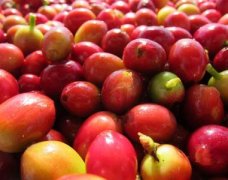
Ethiopia producing area yejia snow coffee fine coffee bean varieties planting market price profile
The world-famous Ethiopian coffee mainly includes: 1. Limu coffee grows between 1400 meters and 2000 meters above sea level. washed coffee. Excellent quality, with intense nutty aromas, moderate acidity and wine intensity. Annual production of 29,000 tons. Gima coffee grows between 1400 and 1800 meters above sea level. Sunburn coffee. Slightly sour, nutty and long finish.

Introduction to the roasting degree of Yega Sheffivoka Coffee in Ethiopia
The coffee market regulatory body in Ethiopia is the Ethiopian Coffee and Tea products Administration. There are two auction centers in the country, one in the capital Addis Ababa (Addis Ababa) and the other in Dire Dawa in eastern Ethiopia. Coffee growers bring fresh fruit or to private coffee processing plants or cooperative coffee washing stations

The flavor and taste characteristics of Ethiopian coffee manor with balanced taste and flavor.
In December 1994, the Constitution of the Federal Democratic Republic of Ethiopia was formulated. According to the Constitution, Ethiopia will implement a federal system and a parliamentary cabinet system after the general election for a term of five years. After the national election in May 1995, the Federal Democratic Republic of Ethiopia was established on August 22, and Meles became prime minister in her capacity as chairman of the majority party of the people's House of Representatives. On May 14, 2000, Ethiopia held a national meeting

Ethiopian coffee trees originated in Ethiopia
The Ethiopian coffee tree originated in Ethiopia (Ethiopia). It was originally a wild plant here, and the name coffee comes from the Ethiopian town of Kaffa. Humans may have known how to grow coffee trees as early as the 9th century. Coffee producing area in Ethiopia: many coffee trees in Ethiopia are still wild plants, the coffee that grows on this coffee tree.

A brief introduction to the boutique coffee manor; a detailed introduction of coffee beans in Ethiopia (mocha)
The characteristics of Ethiopian coffee: the geographical environment of Ethiopia is very suitable for coffee growth. Mocha coffee is mainly grown in the southern highlands between 1100 and 2300 meters above sea level. The main coffee producing areas are Harald (Harar), Limu (Limu), Djimma (Djimma), Sidamo (Sidamo), Kaffa (Kafa), Yergacheffe (Yega Snow) and Wolai.

A brief introduction to the flavor, taste and aroma characteristics of coffee beans in Harald Moka Manor in Ethiopia
The geographical environment of Ethiopia is very suitable for coffee growth. Mocha coffee is mainly grown in the southern highlands between 1100 and 2300 meters above sea level. The main coffee producing areas are Harar, Limu, Djimma, Sidamo, Kaffa, Yergacheffe and Wellega. These lands

Coffee beans introduce Ethiopian (mocha) coffee beans
Ethiopia (Ethiopia) is one of the major producers of Arab coffee beans in Africa, producing the best Arab mocha beans in the world. It is said that coffee beans were first discovered by shepherds in the Kafa region of Ethiopia, and the name of coffee evolved from Kafa, so Ethiopia is still the hometown of coffee. Production and processing of coffee beans in Ethiopia
Coffee beans recommend Ethiopian (mocha) coffee beans
Ethiopia (Ethiopia) is one of the major producers of Arab coffee beans in Africa, producing the best Arab mocha beans in the world. It is said that coffee beans were first discovered by shepherds in the Kafa region of Ethiopia, and the name of coffee evolved from Kafa, so Ethiopia is still the hometown of coffee. Production and processing of coffee beans in Ethiopia

A brief introduction to the cultivation of fine coffee beans in Ethiopia, geographical location, climate and altitude
The natural characteristics of Ethiopian coffee beans include large

What are the suggestions for Ethiopian single bean baking in Ethiopia's single bean farm?
Professional baristas Please pay attention to the coffee workshop (Wechat official account cafe_style) because of the different planting methods, coffee can be divided into three types: forest-semi-forest coffee (Forest or semi-forest coffee), courtyard coffee (Garden coffee) and plantation coffee (Plantation coffee). 60% of the coffee belongs to forest-semi-forest coffee. In such a wild place

A brief introduction to the treatment method of grinding degree and baking degree of Ethiopian boutique coffee beans
Even the official research unit of Ethiopia does not know how many Arabica subspecies there are in Ethiopia. The coffee cooperatives in this mountain are certainly different from those planted in another mountain, and even small farmers in the same region grow different varieties of coffee. Like the little Jasper of Suzhou, although she is petite, she is gentle and delicate, sweet and lovely, and can attract ten thousand without any decoration.
Boutique coffee beans Ethiopia (Ethiopia)
The coffee tree originated in Ethiopia, which was originally a wild plant here, and the name coffee comes from the Ethiopian town of Kaffa. In fact, many coffee trees in Ethiopia are still wild plants, and the coffee grown on this coffee tree is full-grained and slightly alcoholic. Humans may have known how to grow coffee trees as early as the 9th century, but

A brief introduction to the treatment method of grinding degree and baking degree of sweet Ethiopian boutique coffee beans
Even the official research unit of Ethiopia does not know how many Arabica subspecies there are in Ethiopia. The coffee cooperatives in this mountain are certainly different from those planted in another mountain, and even small farmers in the same region grow different varieties of coffee. Like the little Jasper of Suzhou, although she is petite, she is gentle and delicate, sweet and lovely, and can attract ten thousand without any decoration.

An introduction to Ethiopian coffee beans, mocha coffee beans
Ethiopia (Ethiopia) is one of the major producers of Arab coffee beans in Africa, producing the best Arab mocha beans in the world. It is said that coffee beans were first discovered by shepherds in the Kafa region of Ethiopia, and the name of coffee evolved from Kafa, so Ethiopia is still the hometown of coffee. Production and processing of coffee beans Ethiopia

Description of Coffee Flavor and aroma in Humbela Town, G1 Valley, Sidamo, Ethiopia
For the exchange of professional baristas, please follow the coffee workshop (official Wechat account cafe_style) product name: Ethiopia washed Humbela town (Ethiopia Sidamo Guji Hambella washed G1), Sidamo G1 valley district, Ethiopia (Ethiopia) producing area, Oromia Region (Oromia Region), Guji Zone (Humbera town) (Hamb)

A brief introduction to the description of the flavor, taste and aroma characteristics of boutique coffee beans in Ted Manor
Now, Ethiopia produces coffee not only for drinking, but also for coffee lovers around the world to enjoy it better. With the continuous improvement of the quality and production efficiency of the coffee industry, Ethiopia is now more than ever able to provide high-quality coffee to even the most picky and discriminating customers. Ethiopia hopes that not only the world